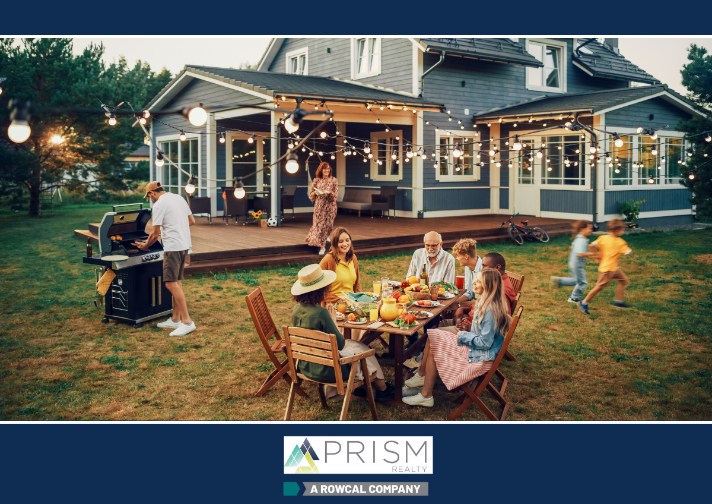
As more families embrace the benefits of living under one roof, multigenerational homes are becoming one of the fastest-growing trends in housing design. Whether it’s aging parents moving in, adult children returning home, or families choosing to pool resources, creating a home that works for everyone requires thoughtful planning. The key is striking a balance between privacy with connection, as well as flexibility and comfort.
Layout Considerations
The foundation of a successful multigenerational home is its layout. Open-concept living areas create shared spaces where everyone can gather, while well-planned bedroom wings or separated levels provide personal retreats. Homes with flexible floor plans—such as bonus rooms, lofts, or finished basements—can easily adapt to changing family needs over time.
Separate Entrances
For many families, independence is just as important as togetherness. Separate entrances allow adult children, grandparents, or extended relatives to come and go freely without disrupting the rest of the household. These can be designed as private exterior doors, garage entries, or even side entrances leading into a dedicated suite.
In-Law Suites
In-law suites have become one of the most popular solutions for multigenerational living. Typically featuring a bedroom, bathroom, kitchenette, and sometimes even a small living room, these suites provide a self-contained space while keeping loved ones close by. They can be located on the main floor for accessibility or in a basement or casita for added privacy.
Shared vs. Private Spaces
Finding the right balance between communal and personal areas is essential. Shared spaces, such as the kitchen, dining room, and family room, should be designed with larger groups in mind—think oversized islands, extended dining tables, and ample seating. At the same time, private bedrooms, offices, or lounges provide family members with a space to unwind on their own.
Accessibility Features
As families age together, accessibility becomes a crucial consideration. Wide doorways, zero-step entries, walk-in showers, and main-floor bedrooms make a home more comfortable for older generations. Even if not needed right away, incorporating universal design features ensures the home can accommodate future needs without major renovations.
Final Thoughts
Multigenerational living is about more than just sharing space—it’s about creating a home that fosters connection while respecting independence. With careful attention to layout, entrances, private suites, and accessibility, families can design homes that feel both spacious and intimate, supporting every generation under one roof.
📞 Ready to find the perfect multigenerational home for your family? Prism Realty specializes in helping buyers and sellers navigate today’s market with confidence. Call Michele today to start your search!